
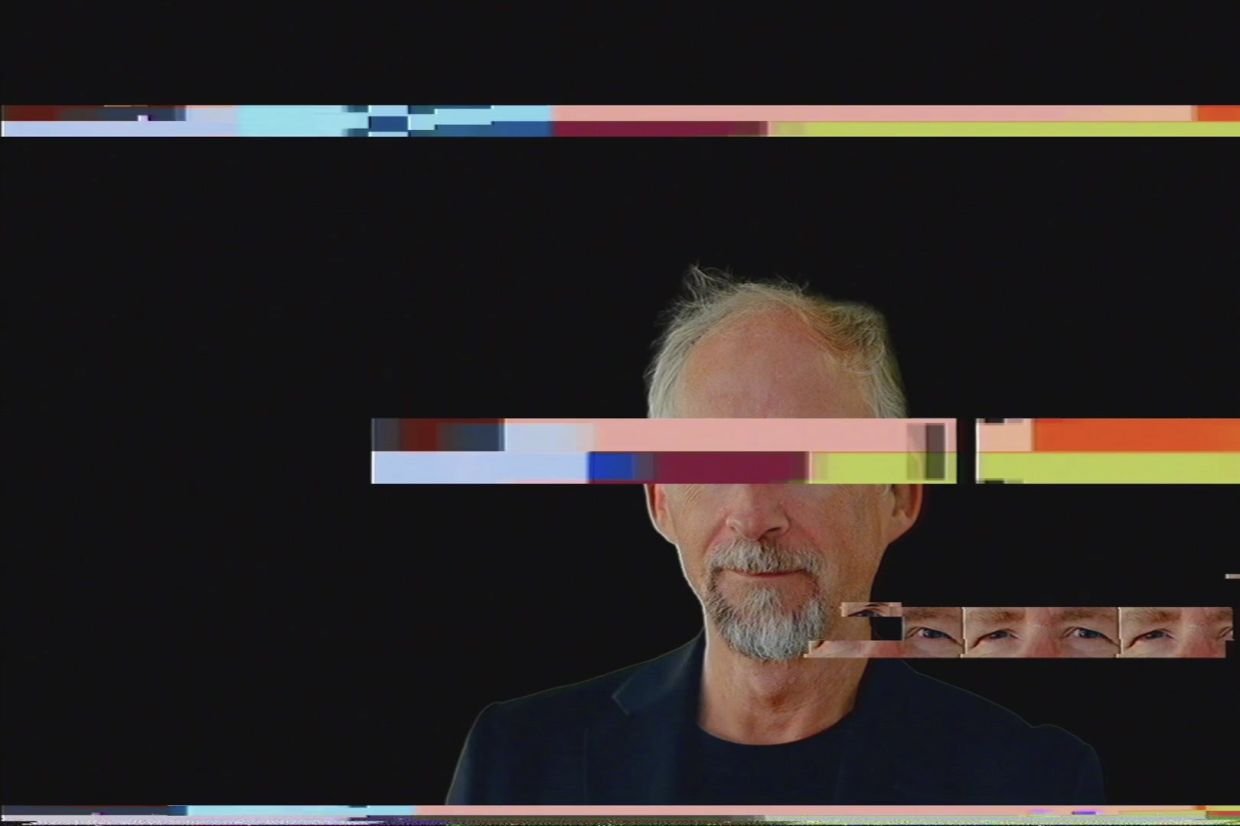
It has been 17 years since a nine-page white paper appeared in an obscure corner of the internet and ushered in the world’s first cryptocurrency. Bitcoin has grown from a curiosity to a mainstream fixture of the financial landscape. Yet the identity of its inventor has remained unknown, concealed behind the now-famous pseudonym Satoshi Nakamoto.
I spent more than a year digging into Satoshi’s identity, sifting through thousands of decades-old internet postings. With the help of computer-assisted reporting provided by my colleague Dylan Freedman, I amassed a body of evidence pointing to Adam Back, a 55-year-old British cryptographer. Back denied that he was Satoshi, and chalked it all up to a series of coincidences.
Here is what we learned:
Back came up with almost every feature of Bitcoin first.
Back and Satoshi were involved with the Cypherpunks, a group of anarchists formed in the early 1990s who wanted to use cryptography – the art of securing communications through code – to free individuals from government surveillance and censorship.
In a series of emails with his fellow Cypherpunks in the late 1990s, Back suggested creating a kind of electronic cash that would help people avoid government interference in financial transactions. He outlined a decentralised network of computers, or “nodes,” that would keep functioning even if a few tried to collude and take over the network. That’s exactly how Satoshi later designed Bitcoin.
Back invented Hashcash, a statistical puzzle-solving system. He proposed combining it with another electronic cash idea called b-money put forth by another Cypherpunk. That combination was the blueprint Satoshi later followed in creating Bitcoin.
Striking similarities link Back and Satoshi.
Back got his doctorate in distributed computer systems – Bitcoin is a distributed computer system. He used the same programming language as Satoshi. He and Satoshi were masters of keeping computer networks safe. And Back was an expert in public-key cryptography, which Satoshi incorporated into Bitcoin.
Satoshi and Back shared a strange preoccupation with emailed spam and proposed identical spam-fighting ideas.
Satoshi and Back both like to operate anonymously on the internet and were both big fans of using pseudonyms.
Satoshi and Back both liked to say they were better at coding than writing.
When Satoshi appeared, Back disappeared.
After unveiling his invention, Satoshi spent 2 1/2 years trying to improve it. Then, in 2011, he famously disappeared. Back followed that same pattern, but in reverse. For more than a decade, whenever Cypherpunks discussed electronic money, Back almost always chimed in. But when bitcoin, the closest manifestation of the vision he had laid out, was announced in late 2008, Back was nowhere to be found.
Six weeks after Satoshi disappeared, Back posted about Bitcoin for the first time.
Back and Satoshi shared many of the same writing tics.
We collected the archives of three internet mailing lists where Cypherpunks congregated in the 1990s and 2000s. We merged them into one big database and compared them to Satoshi’s body of writings. We performed three different writing analyses. All three pointed to Back as the closest match for Satoshi.
One of the analyses focused on tics I had noticed in Satoshi’s writing:
Satoshi put two spaces between sentences and used British spellings.
He sometimes confused “it’s” and “its” and ended some sentences with “also.”
He spelled “bugfix” as one word instead of two and “half way” and “down side” as two words instead of one.
He wrote the compound noun “double-spending” with a hyphen even though it didn’t require one and the compound adjectives “file sharing” and “noun based” without hyphens when they should have been hyphenated.
And he alternated between “e-mail” and “email,” “e-cash” and “electronic cash,” “cheque” and “check” and the British and American forms of the word “optimise.”
Only one among hundreds of subscribers to those three mailing lists matched all those writing quirks, according to our analysis: Back. – ©2026 The New York Times Company
This article originally appeared in The New York Times.