
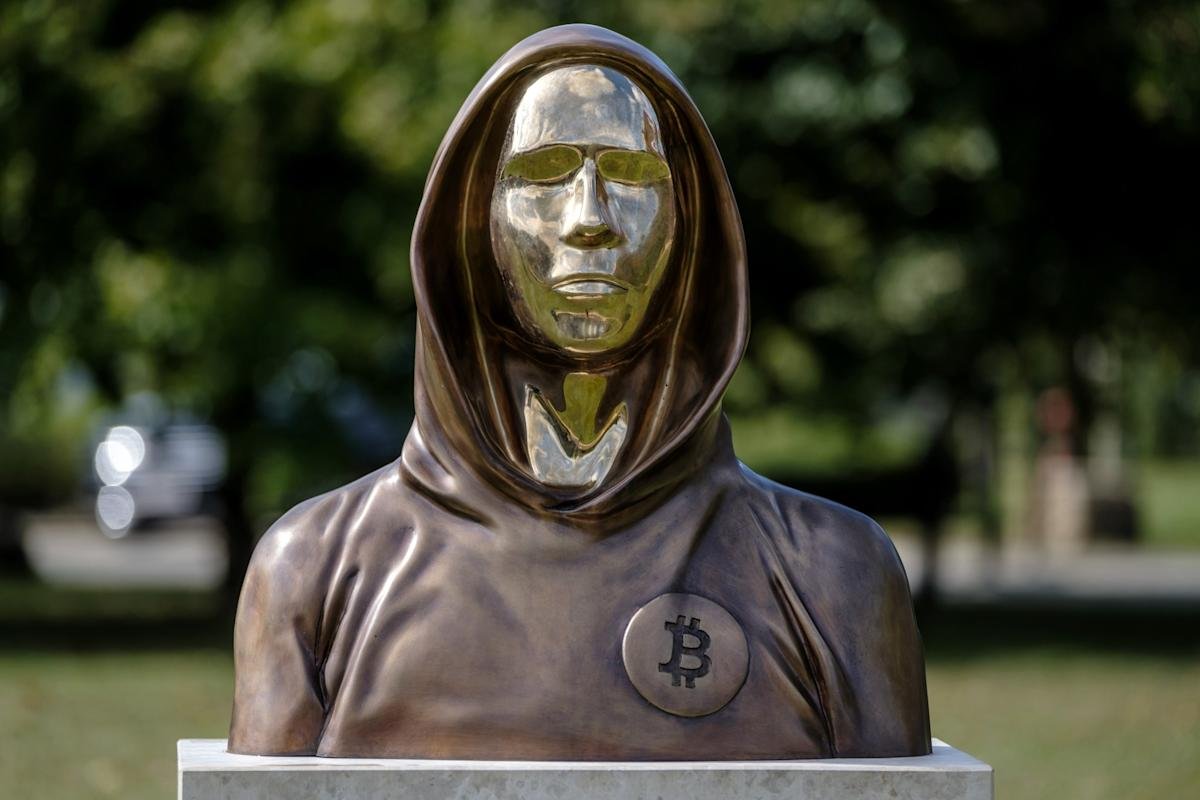
The world’s biggest Bitcoin fortune is at risk. A new report by Google found that, by 2029, hackers could use new quantum computing techniques to crack open wallets belonging to Bitcoin inventor Satoshi Nakamoto in as little as nine minutes. Those early wallets, worth around $75 billion at current prices, account for over 5% of the world’s Bitcoin supply. Now, in the face of the quantum threat, some are renewing calls for a blockchain upgrade that would lock up those coins forever.
“If nothing is done, then coins on old addresses, including Satoshi’s, could eventually be taken by whoever first has practical quantum capacity,” says JP Richardson, an early Bitcoiner who runs the crypto wallet firm Exodus.
It’s possible, says Richardson, to update Bitcoin in a way that the coins in Satoshi’s wallets could no longer be spent. The Satoshi wallets account for around 1.1 million of Bitcoin’s finite 21 million supply, and are part of a sub-set of 6.9 million coins that Google says are most vulnerable to a quantum attack. In one scenario, the Bitcoin community could introduce a quantum-resistant upgrade and force all wallets to adopt it by a certain date or else see the coins in those wallets effectively destroyed.
Such a measure would reduce the risk that a quantum-based attack would flood the market with millions of newly circulating Bitcoins. Richardson, though, says he is not in favor of a forced upgrade. He believes the market impact of a quantum hacker cracking Satoshi’s wallets would be “brutal…but not the end of Bitcoin.”
Pete Rizzo shares this view. A former crypto journalist turned Bitcoin historian, Rizzo attended the annual gathering of insiders known as the Satoshi Roundtable in early February, where he heard calls to make a planned quantum update, known as BIP360, compulsory. This position, he says, reflects a minority view held by market players and speculators who are less concerned with the values of Bitcoin than they are with protecting a valuation model that treats Satoshi’s coins as gone forever.
“This is a classic case of ‘how do you interpret someone’s will,’” says Rizzo, who believes that a governance strategy that entails destroying someone else’s coins is anathema to Bitcoin values of self-sovereignty and decentralization.
And while Richardson and Rizzo dislike the idea of a compulsory update, they are not particularly concerned, saying that such a plan would never achieve the requisite consensus among developers to push it through. Instead, they think the Bitcoin community will build quantum resistant upgrades that wallet users will add voluntarily—though Richardson cautions this will be one of the blockchain’s hardest tasks to date.
The question now is how long such an update will take to achieve. The 2029 date circled by Google is likely premature, according to Bitcoin insiders, but few dispute the quantum threat is real and that it could wreak considerable havoc.
Jeff John Roberts
jeff.roberts@fortune.com
@jeffjohnroberts
This story was originally featured on Fortune.com