
The public face of modern computing is intangible. In daily life, we see and use generative AI, diagnostics, virtual assistants and intelligent algorithms.
But it looks quite different behind the scenes. A complex infrastructure supports the hardware, networks and systems that power AI.
Justin Lin is an investment strategist at the exchange-traded fund (ETF) provider Global X, where he performs research and analysis across commodities and the energy transition. “Alongside the advancements of AI models, which are getting smarter by the day,” he says, “the interesting part is the infrastructure and commodities underlying them.”
In particular, he says, AI data centres are changing the nature of demand for electricity, putting increased pressure on electrical infrastructure.
“The most immediate play a lot of investors think about is investing in data centres or utility companies providing the electricity,” Lin says. “But the bigger picture is the demand for more robust and expanded infrastructure in terms of the grid.”
Energy for generative AI technologies
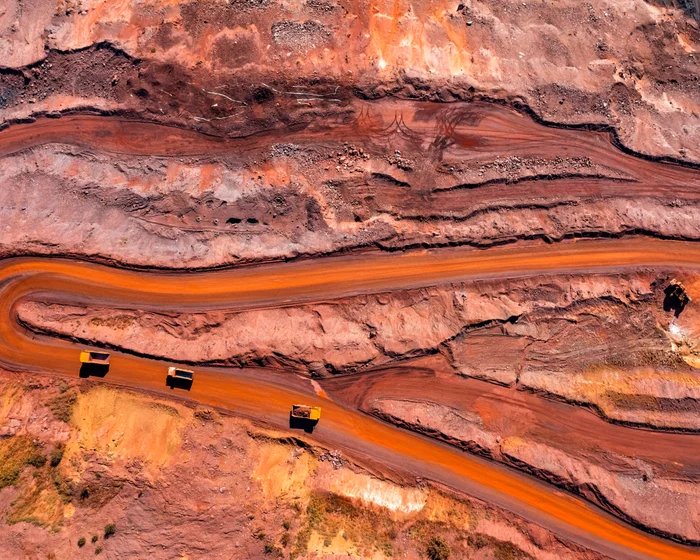
With electricity so critical to advanced technologies, copper is in high demand, along with uranium and nuclear power, as well as metals required to support energy generation such as solar, which relies on silver.
However, Lin says plenty of attention is also being focused on the precise manufacturing processes behind components such as permanent magnets, which use rare earth minerals including neodymium, praseodymium and terbium. These materials are also used in cooling systems, robotics, electric motors and other specialised hardware embedded in AI systems.
‘Demand for everything’
Such expansive demand, Lin says, is unprecedented. Historically, rapid technological evolution has focused on a single commodity.
“The megatrend around AI involves the most commodities that we’ve ever seen,” he says. “Think about previous megatrends … the electrification of the world was a pure copper play. If you go even further back, the creation of locomotives was a stimulant for coal demand.”
Now, he says, AI is “creating demand for everything”, from exotic metals for chips to lithium for batteries – and this represents a growing opportunity. “For investors, there are more options than would be traditionally available.”
It’s a long-term investment case, Lin says. The AI trade is nascent, even as it becomes part of our everyday life. But as development continues – whether that be in building data centres, electrification of the grid, or shifts towards clean energy – so will the sourcing, processing and distribution of commodities. Global X offers multiple ETFs that cover commodities crucial to the AI race, from copper under ASX: WIRE to critical metals under ASX: GMTL.
“In the grand scheme of development, these are multi-decade trends that have to be executed on a global scale,” Lin says. “We believe there is a lot of potential value still to come.”
Explore Global X Beyond Ordinary ETFs.
Issued by Global X Management (AUS) Limited (‘Global X’) (AFSL 466778, ACN 150 433 828). This is general information only and not personal advice. This communication doesn’t consider your personal circumstances or needs. Investors should consider whether Global X products are appropriate for them, obtain financial advice and read the product disclosure statement (PDS) and target market determination (TMD) before making investment decisions. All PDSs and TMDs are available on our website: www.globalxetfs.com.au. Investment in any products issued by Global X is subject to risks, including possible delays in repayment and loss of income and principal invested. Past performance is not a reliable indicator of future performance. This content may not be reproduced, distributed or published by any recipient for any purpose. Global X nor any of its affiliates make any warranty as to the accuracy of any data used or displayed in this communication or to the performance of any product.