

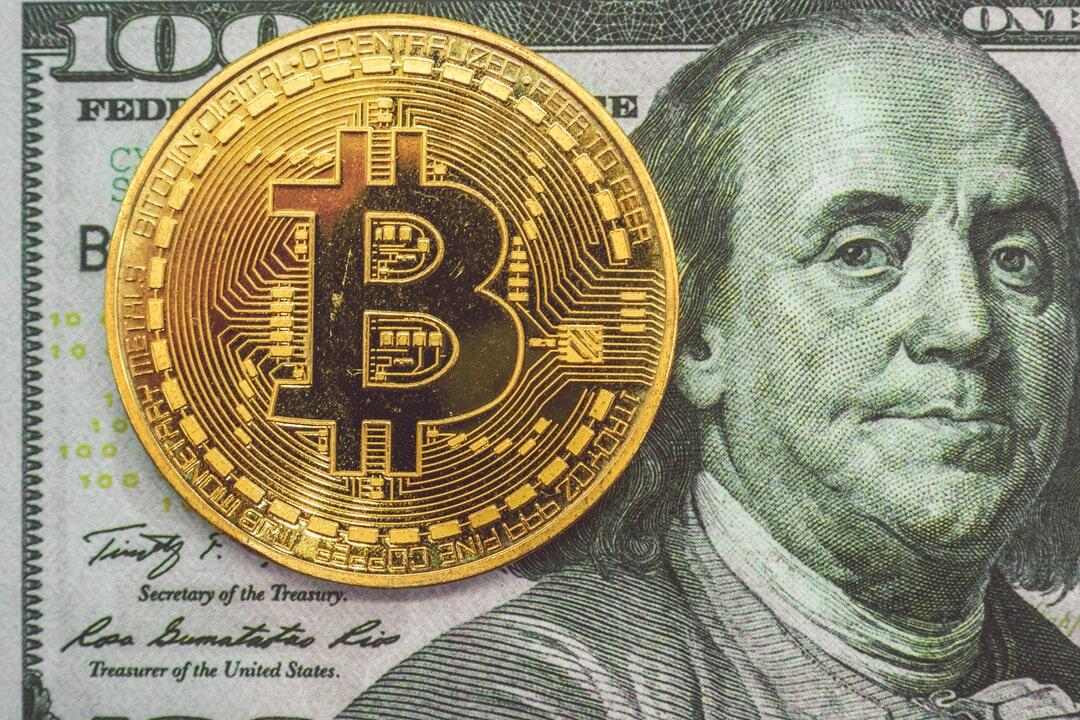
Bitcoin is a decentralized digital currency that operates without banks, using a public ledger called the blockchain to record every transaction. How does Bitcoin work? It runs on cryptography, a global network of computers, and a hard-capped supply of 21 million coins.
According to The Financial Times, BlackRock’s Bitcoin ETF reached $10 billion in assets faster than any ETF in history in under 60 days. When the world’s largest asset manager moves that fast, everyday investors pay attention. Bitcoin has shifted from a niche digital experiment to a fixture in institutional portfolios, and that shift has real implications for how you think about your own money.
This guide breaks down what Bitcoin is, how it actually works, and what role, if any, it should play in your financial strategy.
How Does Bitcoin Work?
What is Bitcoin, exactly? It’s a digital currency that exists entirely online, with no physical coins or bills.
Bitcoin runs on a network of thousands of computers around the world, so no single bank or government controls it. Every transaction gets recorded on the blockchain, a public ledger that anyone can view at any time.
What are Bitcoins at a technical level? Each one is a unit of value secured by cryptography, basically, complex math that makes transactions nearly impossible to fake. Blocks in the chain each hold a batch of verified transactions, and once added, that data stays permanent.
New bitcoins actually enter circulation through a process called mining, where computers compete to solve math problems, and the winner earns a bitcoin reward.
The total supply of Bitcoin is capped at 21 million coins, a limit built directly into the network’s code. This fixed supply is one of Bitcoin’s most frequently discussed features among investors.
Should Bitcoin Be Part of Your Financial Plan?
Crypto investing has grown significantly over the past few years, and Bitcoin has attracted real attention from major financial institutions. That said, it carries serious risks that every beginner should carefully consider before putting money in.
The Case for Bitcoin
Bitcoin’s fixed supply means no government can create more of it, which some investors see as protection against inflation. Growing institutional adoption, including U.S. strategic reserves, has brought added legitimacy to the asset class. Investors typically hold Bitcoin as a long-term store of value, with a minimum five-year horizon in mind.
The Risks You Need to Know
Bitcoin can drop 70-80% in value during major downturns. It fell around 20% in just the first two months of 2026, so the volatility is very real.
Custody risk is a serious concern; lost private keys or exchange hacks can result in permanent loss of funds. Regulatory changes can shift Bitcoin’s value in ways that are, frankly, hard to predict.
How Much Should You Allocate?
Most financial advisors suggest limiting Bitcoin to 1-5% of your total portfolio, and the right percentage really depends on your risk profile. Conservative investors usually stay at 0-1%, balanced investors at 1-3%, and more aggressive investors at up to 5%.
A few signs that you might be ready to consider a small Bitcoin allocation:
- Your emergency fund covers three to six months of living expenses
- You have paid off high-interest debt
- You can hold the investment for at least five years
- You can afford to lose the full amount without affecting your daily finances
Getting Started: Wallets, Exchanges, and Beyond
Before buying Bitcoin, you need to sort out two things: how you’ll store it and where you’ll buy it. Both decisions actually affect the safety of your funds.
Choosing a Wallet
A crypto wallet stores the private keys that give you access to your Bitcoin. Hardware wallets like Ledger keep keys offline and are generally more secure for larger amounts. Software wallets are somewhat easier to use for everyday transactions, though they carry slightly more exposure to online threats.
Self-custody is, in a way, the more secure approach; you control your keys, you control your Bitcoin.
Buying Bitcoin on an Exchange
Reputable exchanges like Coinbase, Kraken, and Binance let you buy Bitcoin with a bank transfer or debit card. You’ll need to verify your identity first, which is a standard requirement on most platforms.
Dollar-cost averaging (buying a fixed dollar amount on a regular schedule) can pretty effectively reduce the impact of price swings over time.
Here are some key factors to compare across exchanges before signing up:
- Fee structures that typically range from 0.1% to 2% per trade
- Security features, including two-factor authentication
- Availability in your state or country
- Withdrawal limits and processing times
Beyond Bitcoin
There are thousands of types of cryptocurrency available today, ranging from major coins to highly speculative tokens. Ethereum, for instance, supports smart contracts and a wide range of decentralized applications.
Stablecoins explained, these are cryptocurrencies pegged to a stable asset like the U.S. dollar, which keeps their price relatively steady. For beginners, sticking to well-established coins by market cap is, honestly, the safer starting point.
Frequently Asked Questions
Can Bitcoin Be Hacked or Counterfeited?
The Bitcoin network itself has never been successfully hacked, and counterfeiting is virtually impossible. Every transaction is verified by thousands of computers before it’s recorded on the blockchain. Individual wallets and exchanges can be compromised, so storing your Bitcoin securely is very important.
What Is a Satoshi?
A satoshi is the smallest unit of Bitcoin, equal to 0.00000001 BTC. You don’t need to buy a whole Bitcoin; most exchanges actually let you buy any dollar amount, even just a few dollars’ worth. It’s a useful feature for beginners who want to start small.
Is Bitcoin Legal in the United States?
Yes, Bitcoin is fully legal in the U.S. The IRS treats it as property, so buying, selling, or trading Bitcoin can trigger capital gains taxes.
Start Here Before You Buy
Understanding how does Bitcoin work is the first step toward making a clear-eyed decision about crypto investing. Bitcoin carries real potential as a long-term, high-risk asset, but it functions best as a small allocation within a diversified portfolio. Before buying, lock in your emergency fund, address outstanding debt, and confirm you have a minimum five-year investment horizon.
Cryptocurrency markets move quickly, and staying informed is one of the most valuable things you can do as an investor. Visit our News section for the latest on Bitcoin and digital assets because in this market, the landscape can shift overnight.
This article was prepared by an independent contributor and helps us continue to deliver quality news and information.