
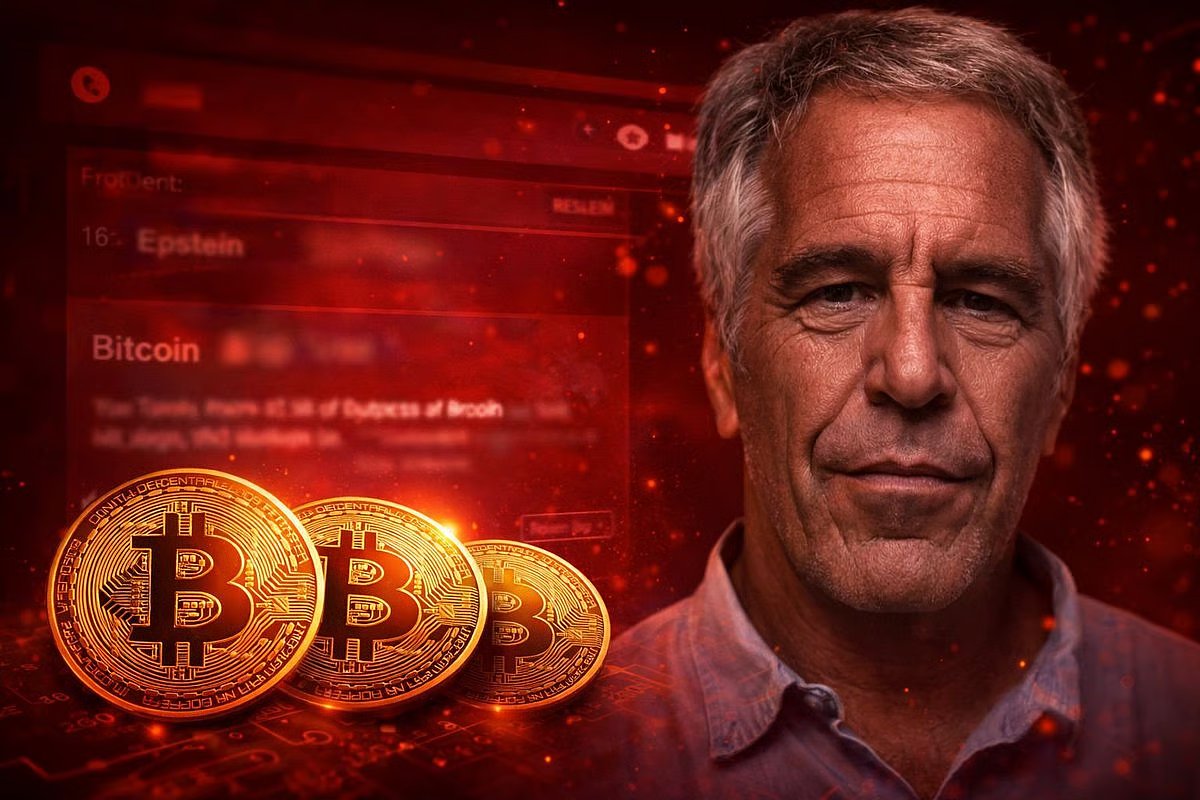
Epstein’s entry into crypto
Archived correspondence from mid-2011 shows Epstein reaching out to senior Bitcoin developers at a surprisingly early point. He praised the concept while warning of “serious risks” and sought meetings, but there is no evidence the exchanges led to any influence over Bitcoin’s development.
Epstein’s documented financial involvement in cryptocurrency comes later, emerging around 2014 as Bitcoin matured into a globally traded system governed by a distributed developer community.
That year, Epstein invested in Coinbase, now the largest U.S.-based crypto exchange, and in Blockstream, which builds tools for Bitcoin developers. These investments came six years after his 2008 conviction in Florida and roughly five years after Bitcoin’s launch.
Coinbase, Pierce, clean exit
Coinbase was founded by Brian Armstrong and Fred Ehrsam, not by Epstein. His investment in the company was brokered by Brock Pierce, a prominent early crypto figure and co-founder of Tether.
Emails released by U.S. authorities show Ehrsam coordinating with Pierce about Epstein’s participation in the 2014 fundraising round and expressing interest in meeting Epstein.
In 2018, Epstein sold roughly half of his Coinbase stake to Blockchain Capital, Pierce’s firm, for about $15 million. Coinbase later went public on Nasdaq in 2021, long after Epstein’s involvement had ended.
How MIT entered narrative
Much of the renewed speculation centers on Epstein’s ties to academia rather than industry.
Over roughly two decades, Epstein donated more than $800,000 directly to the Massachusetts Institute of Technology, with $525,000 going to the Media Lab, according to MIT disclosures. He also facilitated more than $7 million in additional donations from other wealthy individuals.
Investigative reporting by Ronan Farrow has suggested the Media Lab may have received as much as $7.5 million routed through Epstein, separate from an anonymous $5 million donation linked to Epstein associate Leon Black. MIT disputes parts of that accounting, leaving some figures contested.
Bitcoin study, not creation
In 2015, Joichi Ito, then head of the Media Lab, launched the Digital Currency Initiative. The goal was to fund blockchain research and provide stable, long-term support for Bitcoin Core developers after turmoil at the Bitcoin Foundation left developer funding uncertain.
Emails released by the House Committee show Epstein’s “gift funds” were used to underwrite the initiative’s launch. In one April 2015 message titled “Digital Currency Initiative,” Ito thanked Epstein, writing that the funding allowed the lab to “move quickly and win this round.”
Records indicate Epstein facilitated at least $750,000 in donations to the initiative in 2017 alone.
What viral emails really tell
The same email chain explains the context. The Bitcoin Foundation, which had been paying key developers, was described internally as effectively bankrupt. The Media Lab moved quickly to recruit developers and stabilize funding.
Internal correspondence described the Media Lab as the “principal home and funding source” for Bitcoin development research. Online, that phrasing has been widely misread as evidence of control over Bitcoin itself.
By then, Bitcoin had already been operating independently for years. The initiative provided salaries and institutional support, not ownership or governance authority.
Who benefited from funding
The funding helped pay Bitcoin Core contributors including Wladimir van der Laan and Cory Fields. Other donors cited in the emails included IMF economist Simon Johnson and cryptographer Ron Rivest.
Decisions over Bitcoin’s code continued to be made through the project’s existing consensus process. Donors, academic administrators, and investors did not gain special authority over the protocol.
The funding model reflected a practical response to an open-source project facing a sudden loss of institutional support.
Blockstream, interest conflicts
Epstein’s crypto involvement also extended to Blockstream. In 2014, he invested $500,000 through a fund he co-owned with Ito.
Emails show Blockstream co-founders, including Adam Back, were invited to meet Epstein in St. Thomas, near Little Saint James, the private island Epstein owned.
Back has said Epstein was a limited partner in Ito’s fund and that the fund later divested from Blockstream due to conflicts of interest and other concerns. Blockstream says it has no direct or indirect financial ties to Epstein or his estate today.
Fallout, muted industry response
The disclosures eventually triggered a reckoning at MIT. Ito resigned in September 2019 after investigations revealed the Media Lab had continued accepting Epstein-linked funds after his conviction.
MIT subsequently tightened donor disclosure and vetting rules, warning internally that anonymous or reputationally risky donations rarely remain private.
Across the cryptocurrency industry, the reaction has been restrained. Some investors describe Epstein as a skeptical participant who exited early. Others speculate he misunderstood Bitcoin’s design or sought to undermine it. None of those claims are supported by technical evidence.
What’s true:
-
It is true that Epstein funded Bitcoin-related research years after Bitcoin already existed.
-
It is true that his money helped support developers working on Bitcoin Core.
-
It is true that his involvement complicates the history of early crypto funding.
What’s untrue:
-
It is not true that Epstein founded Bitcoin.
-
It is not true that he was Satoshi Nakamoto.
-
There is no evidence in the public record linking him to Bitcoin’s creation.
Bitcoin’s founder remains unknown. The newly released emails add uncomfortable context about money and influence, but they do not reveal a hidden mastermind behind the world’s first and largest cryptocurrency.

Justin is a personal finance author and seasoned business journalist with over a decade of experience. He makes it his mission to break down complex financial topics and make them clear, relatable, and relevant—helping everyday readers navigate today’s economy with confidence.
Before returning to his Middle Eastern roots, where he was born and raised, Justin worked as a Business Correspondent at Reuters, reporting on equities and economic trends across both the Middle East and Asia-Pacific regions.