
The proposed cuts will cripple local government services that many Floridians have come to expect.

Florida Lawmakers Advance Sweeping Property Tax Overhaul
Florida lawmakers pass bills to reduce property taxes, sparking debate among supporters and critics over budget impacts and service cuts.
- Florida lawmakers have proposed several bills to cut property taxes for homeowners with homestead exemptions.
- If passed, the tax burden would shift to non-homesteaded properties, commercial properties, and renters.
- Palm Beach County officials warn the cuts could slash revenue for services like roads, libraries, and fire rescue.
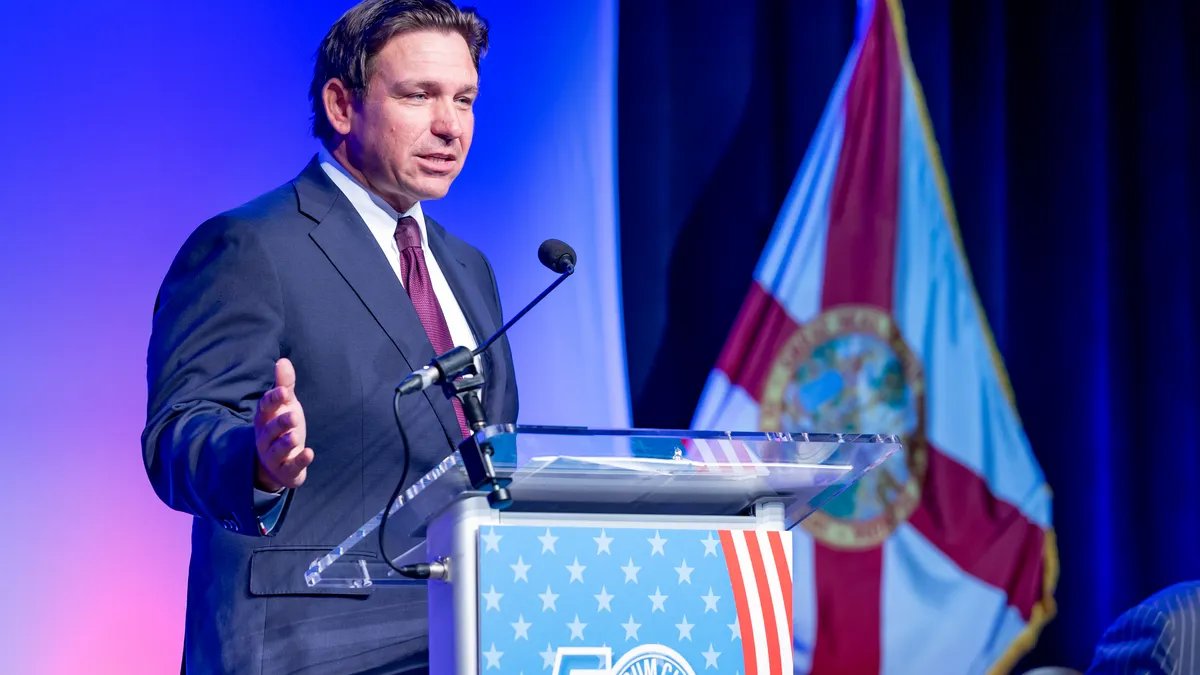
Like the poor goat sacrificed after having sins symbolically laid on it, Palm Beach and other Florida counties that rely on ad valorem taxes are being scapegoated. Gov. Ron DeSantis and Republicans in the Florida Legislature want to provide another tax cut, but this one will come on the backs of communities that rely on property taxes to pay for key services.
State lawmakers started the process with at least eight bills that would ask voters to change the Florida Constitution to allow property owners with homestead exemptions to receive bigger property tax breaks. The Legislature isn’t doing Floridians any favors with this convoluted approach. But, given the Republican zeal for cutting taxes and reining in local government spending, there will be a property tax cut question on the 2026 ballot.
Right now, voters can pick and choose. One measure may appeal to homeowners 65 and older by exempting homestead property tax from all levies other than school districts. Another may entice married couples by modifying Save Our Homes portability benefits for establishing a joint homestead and prevents the previous year’s millage rate from taking effect unless approved by a two-thirds vote of the governing body. Another would increase the homestead exemption by $100,000 if the homeowner has home insurance.
Notice the beneficiaries — homeowners who have homestead exemptions because they use their property as their primary residence. If any of these measures pass, the tax burden would shift to property owners who don’t live in their homes, own multiple residential properties and/or own commercial properties.
In Palm Beach County, these property owners account for 61% of the county’s tax base. The change would likely boost rents and housing costs and hurt efforts to foster small business growth or lure new firms into the county. None of that has stopped the tax-cutting zeal that is more appropriate for a political campaign than a serious government proposal.
Property tax cuts would slash local government services
Palm Beach County took notice as county officials analyzed the impact of the cuts. What they found should make voters do more than just pause, but think seriously about rejecting the mishmash that’s being offered.
Counties are limited on what and how they can spend their revenue. Even though Palm Beach County’s total budget exceeds $9 billion, roughly $733 million is available to run county services. The state prohibits any cuts to the money the county spends on the Palm Beach Sheriff’s Office and other constitutional officers, like the Clerk & Comptroller, Property Appraiser and Supervisor of Elections. To keep the county’s AAA bond rating, the reserves are untouchable.
The proposed cuts would cripple county government, with one bill, HJR 201, wiping out 90% of the revenue the county uses for roads, libraries, parks and fire rescue services. Four of the other eight measures proposed by the Florida House range from 64% to 72%. Another two came in between .01% and 14%, while another one was “to be determined.” The Florida Senate filed its own property tax cut measures, but all of those at this point were “to be determined.”
State Rep. Toby Overdorf, R-Palm City, the chairman of the House Select Committee on Property Taxes, recently met with Palm Beach County commissioners. He didn’t dispute the county’s estimates, but he asserted the feelings of his colleagues in the Legislature that increases in local and county taxes exceeding the rate of inflation couldn’t continue.
“I don’t envy your job,” Overdorf told commissioners. “But I have a job to do as well.”
Ideally, the administration of property taxes should be left to the local communities, but the state politics of cutting taxes and pre-empting city and county governments is just too much for the governor and the Legislature to resist. Narrowing the options may be the best Floridians can hope for in a change that seems half-baked and unnecessary.