

AI stocks are soaring. Are we due for a crash?
Tech and AI giants are driving record market highs — but some analysts warn the rally can’t last.
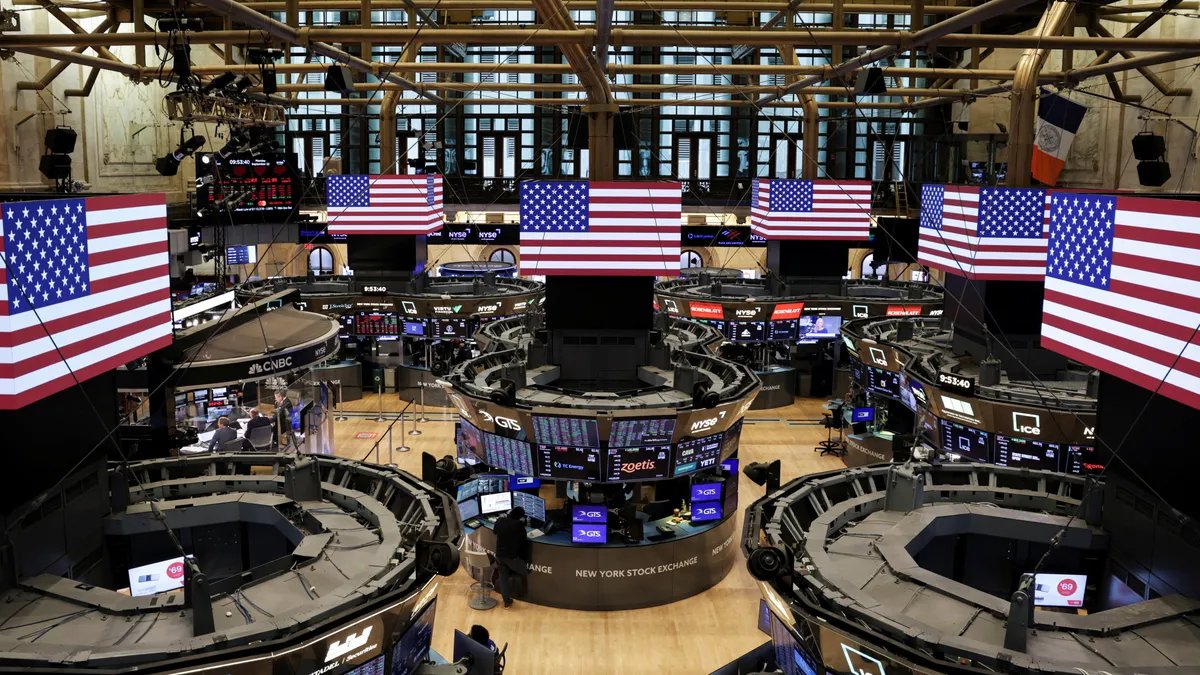
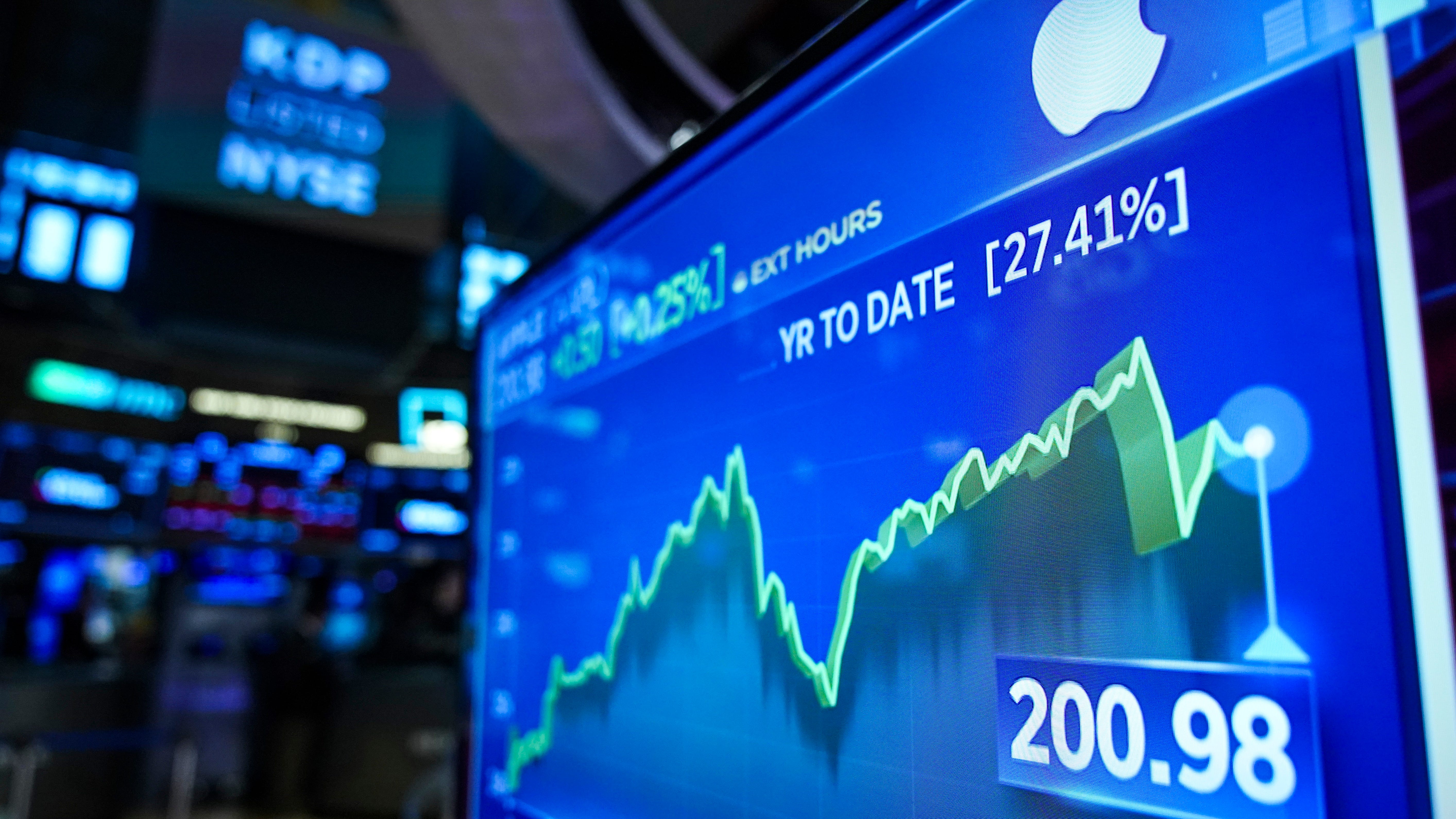
The stock market is running high. Too high, some analysts say.
A number of Wall Street observers warn the stock market may have entered “bubble” territory. It’s an analogy to the overhyped markets of 2008 and 1999, which crashed when the bubbles burst.
Lately, there’s talk of an AI bubble, a runup in the prices of tech stocks fueled by enthusiasm over artificial intelligence. Several tech giants report earnings in late October, numbers that could inflate the bubble further – or cause it to pop.
When investors fear stocks might sink, their thoughts might turn to pulling money from the market and parking it in cash: money market funds, Treasury bills, even a plain old savings account. Seesawing stock prices fuel their ennui.
“A lot of my clients have been sort of panic-calling this week,” said Monica Dwyer, a certified financial planner in West Chester, Ohio, speaking to USA TODAY in mid-October.
For a long-term retirement saver, taking money out of the stock market is never a decision to be taken lightly.
Is now a time to hoard cash? We’ll get to that question shortly. First, though, here’s a walkthrough of why we’re asking it.
Stocks are breaking records. Are they overpriced?
Stock indexes have been breaking records in 2025. That’s not unusual: The stock market tends to rise.
What is atypical, economists say, is the historically high ratio of stock prices to corporate earnings.
Price-to-earnings ratios tell you if a stock is overvalued or undervalued. A common yardstick, the cyclically adjusted price-to-earnings ratio, or CAPE ratio, stands at 39.65 for the S&P 500.
The last time – indeed, the only time – it ranged that high before was at the peak of the dot-com bubble, in 1999-2000. The CAPE ratio also spiked in 1929, just before the Great Depression.
Are we in a stock market bubble?
Are we in another bubble? Will the market crash? The answer to those questions depends on whom you ask.
In a recent speech, Fed Chair Jerome Powell warned that stock prices “are fairly highly valued.” To many listeners, Powell was saying stocks are overpriced.
In market comments on Oct. 14, JPMorgan Chase CEO Jamie Dimon told reporters, “You have a lot of assets out there which look like they’re entering bubble territory.”
Every day or two, another op-ed piece or financial headline reminds us we may be living in another bubble, buoyed by unrealistic hopes about the profitability of AI. Other pundits disagree, arguing that companies are turning profits and the market is fundamentally sound.
AI and tech giants have driven the massive stock gains of the past decade. Collectively, the “Magnificent Seven” earned 698% between 2015 and 2024, according to The Motley Fool. The S&P 500 as a whole returned a comparatively modest 178% in those years.
If we’re in a bubble, analysts say, those stocks helped inflate it.
Already, many investors are turning to cash. Money market funds held a record $7.7 trillion in assets in September, The Wall Street Journal reported.
Money market funds are paying higher returns than in the past. With stocks potentially overvalued, some investors are content to sit on the sidelines.
That does not mean, however, that an everyday investor should cash out of stocks and put every dollar in cash.
The perils of timing the market
Here’s the theory: If you pull out of a “bubble” market when it’s high, you can wait until the market falls, then put your money back into stocks, buying the dip.
It sounds foolproof. Investment experts warn, however, that it’s hard to get the timing right.
“Any time you’re trying to avoid a downturn, the risk of being wrong is pretty high,” said Peter Lazaroff, a certified financial planner in St. Louis. ”And you have to be correct twice.”
As Lazaroff explains, you have to make two decisions: When to sell high, and when to buy low. Those calls are harder than they sound.
Sell high? The market might close at a record one day, then set another record the next day. You won’t know the peak until it’s past.
Buy low? In the Great Recession, the Dow lost more than half of its value between 2007 and 2009. If you had bought back in on any day in 2008, you would have missed the bottom.
“The problem is, we’ve seen over and over that actually implementing an approach like that is very difficult,” said Amy Arnott, portfolio strategist at Morningstar. ”You end up missing out on some gains.”
Cash reserves can help you ‘buy low’
But there’s nothing to stop you from having some cash on hand to hedge against a bubbly stock market.
Financial advisers routinely tell older clients to dial down their stocks as they approach retirement. The idea is to insulate yourself against the market’s inherent volatility, and to have sufficient cash to cover your expenses in a downturn.
“Right now, I’m telling clients to shore up their cash,” said Zaneilia Harris, a certified financial planner in Washington, DC. “Just in case something is needed, you’re not pulling from your portfolio when it’s down.”
Younger investors and retirement savers might consider building some cash reserves, Harris said, even if it’s only a small percentage of their investable dollars.
Should stocks fall, anyone with cash will have an opportunity to buy shares at a discount.
“If you don’t have cash to put in the market when it’s down, you’re missing an opportunity,” Dwyer said.
If the market falls, even a cash-strapped investor can get in on sale-priced stocks.
“If you don’t have any cash sitting around and we see a big market drop, increase your 401(k) contribution, bump it up a percent or two,” Dwyer said. “You’re probably not even going to notice it.”
A higher 401(k) contribution will scoop up more shares of discounted stock in a downturn. It’s another way to buy low.