
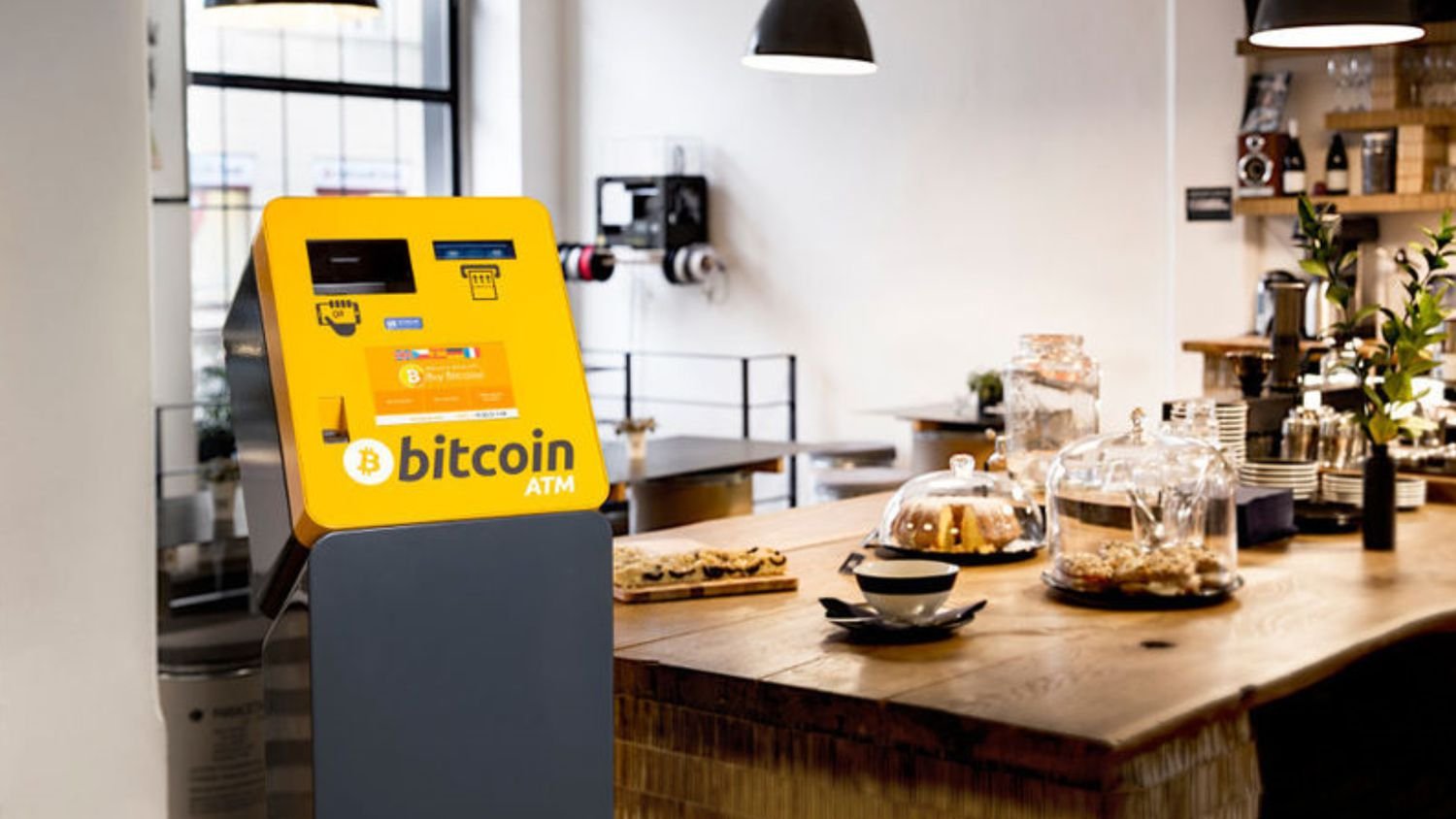
What Is a Bitcoin ATM?
A Bitcoin ATM lets you trade Bitcoin with cash or a debit card, unlike traditional ATMs that only handle fiat money. You can exchange cash for coins that are sent to your digital wallet, or you can send them from your wallet to get cash. A wallet stores your coins, and QR codes make your transactions quick and accurate by letting the ATM know where to send and receive the funds. The machines must follow anti-money laundering rules, register with FinCEN, verify customer IDs, and report suspicious activity.
Fees can be high, ranging from 10% to 20% per transaction. Consumers should be cautious, as scammers often send people to Bitcoin ATMs to send them money, and it’s challenging to get it back.
Key Takeaways
- Bitcoin ATMs are kiosks that connect to the Bitcoin network, allowing transactions with cryptocurrencies.
- Unlike traditional ATMs, Bitcoin ATMs do not dispense cash but facilitate blockchain transactions.
- Users may be charged high fees ranging from 4% to 25% of the transaction amount.
- Bitcoin ATMs require compliance with regulatory requirements, such as user identification and anti-money laundering measures.
- Scammers may exploit Bitcoin ATMs as part of fraudulent schemes, so users should be cautious of unsolicited requests to use them.
How to Use a Bitcoin ATM for Transactions
A Bitcoin ATM is a machine that provides a convenient way to buy bitcoin and other cryptocurrencies. The machines are not actually ATMs and do not dispense cash—instead, they are kiosks that connect to the Bitcoin network and allow customers to purchase or sell crypto tokens. Bitcoin ATMs are rarely operated by major financial institutions and do not connect to customers’ bank accounts.
To start a transaction, most Bitcoin ATMs will ask you for a “Buy Range.” Next, you’ll likely need to scan your wallet’s QR code, insert the cash, debit, or credit card, and confirm the purchase. After buying, the bitcoin will appear in your wallet, but it may take a few minutes for blockchain processing.
Important
If you don’t have a wallet, create one to store your crypto keys and provide a QR code for the ATM.
Understanding Bitcoin ATM Regulations
In the U.S., all Bitcoin ATM operators must register with FinCEN and follow Bank Secrecy Act anti-money laundering rules. The ATM may request a phone number for text verification or require account creation and a government ID scan, such as a driver’s license, before transactions. Generally, most will ask for your name and other identifiable information so that the owners are compliant with regulations.
Bitcoin ATM Fees: Costs and Considerations
Bitcoin ATMs charge a service fee, usually a percentage of the transaction instead of a fixed dollar amount. Bitcoin ATM fees can be high, and their exchange rates might not be as competitive as other options. For example, CoinFlip charges 4.99% to 21.90% of your transaction. In contrast, PayPal charges $0.49 for purchases up to $4.99 and 1.5% on $1,000 or more.
Where to Find Bitcoin ATM Locations
Bitcoin ATMs are becoming increasingly popular in the U.S. Coin ATM Radar, which maintains an online directory of Bitcoin ATMs, estimates an installed base of more than 31,000 kiosks in the U.S. as of July 2024.
ATMs are more likely to be owned and operated by companies focused on the cryptocurrency industry. In some cases, a Bitcoin ATM may be operated by a company that offers its own trading platform or wallet. These companies may require a customer to have an account to conduct a transaction, much like a bank.
Protect Yourself From Bitcoin ATM Scams
Traditional ATMs have been used by scammers, so it should be no surprise that they would also use Bitcoin ATMs. Fraudsters and scammers will email, text, or contact you through social media. They’ll claim that you’ll need to pay bills, transfer money, pay ransoms, or other schemes using a Bitcoin ATM.
If you receive any communications directing you to a Bitcoin ATM, it is most likely a scam, as legitimate companies will not ask you to use cryptocurrency or only a crypto ATM to make a payment.
How Does a Bitcoin ATM Work?
A Bitcoin ATM works similarly to an ATM, but it uses your wallet and blockchains to initiate transactions. You can buy and, in some cases, sell bitcoin using a Bitcoin ATM.
Do Bitcoin ATMs Dispense Cash?
Some Bitcoin ATMs dispense cash, while others do not. It depends on the vendor and how they have set it up.
How Much Does a Bitcoin ATM Charge for $1,000?
It depends on the vendor. Byte Federal claims its ATMs might charge between 10% and 25%, while CoinFlip ATMs charge between 4.99% and 21.90% of the total transaction amount.
The Bottom Line
Bitcoin ATMs provide a convenient way for users to buy and sell bitcoin. There are more than 38,000 Bitcoin ATMs worldwide, most of them located in the U.S. However, convenience comes with a cost, as you might pay between 4% and 25% of the value of your transaction, depending on the ATM you use.
The comments, opinions, and analyses expressed on Investopedia are for informational purposes only. Read our warranty and liability disclaimer for more info.