
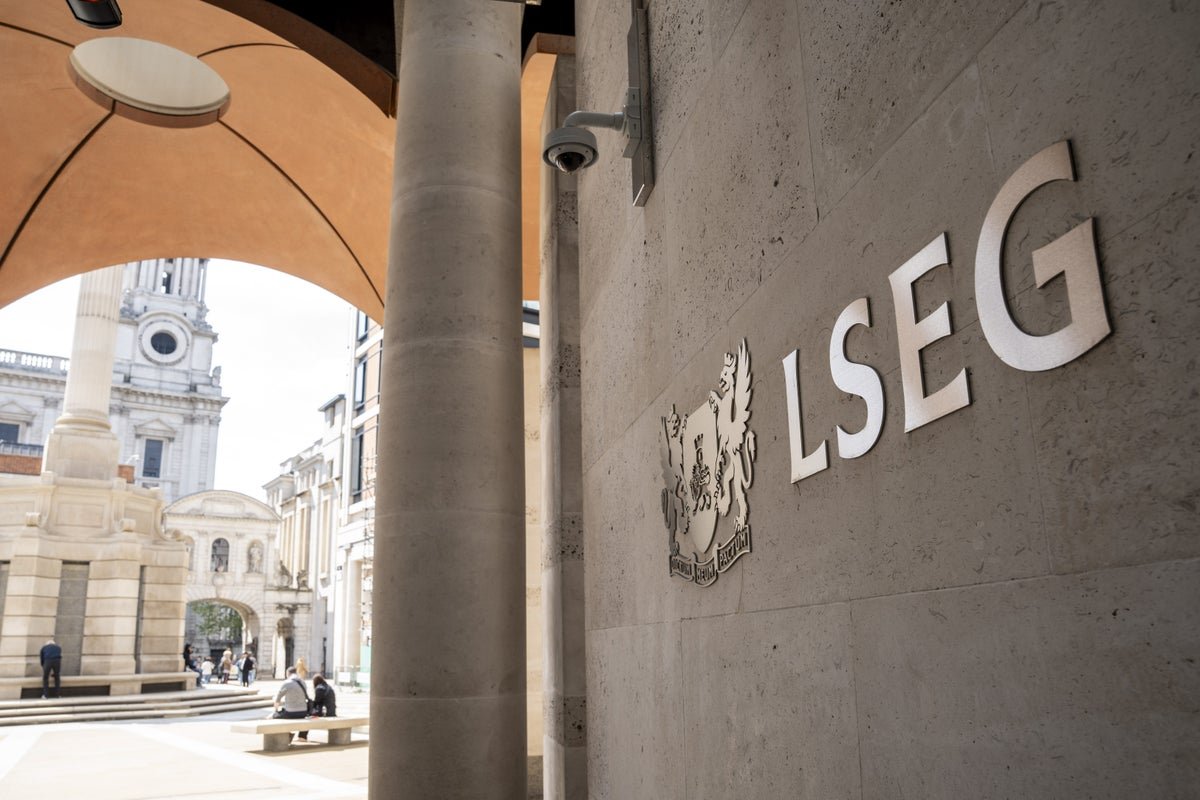
I will be accused of “clickbait” for posing that question. But look at the figures.
There were just five new listings – or Initial Public Offerings – in the first half of the year, raising £160m from investors. And, well, that is a miserable number.
According to data company Dealogic, it is the lowest in 30 years and a fall of 98 per cent when compared with the start of 2021 (when the UK was still suffering from the effects of the pandemic). It is even lower than the level recorded in the first part of 2009, when large parts of the City were still dealing with the after-effects of the financial crisis.
Once a global giant – that would get interest from any international company looking to list – the London Stock Exchange is shrinking, and fast. Statista shows it hosted more than 2,400 companies at the beginning of 2015. Now, the number is less than 1,700 and that number is falling. It’s now big news today if a feisty young British growth company chooses to stay home rather than head off to Wall Street.
Predators from overseas – whether other companies or private equity – see London as the perfect place to go shopping for bargains. KKR, a US private equity firm, has just had a £4.7bn offer for Spectris, a UK-based maker of testing equipment, high-tech instruments and software, accepted. That offer is at a 98 per cent premium to where the company’s shares were trading before the takeover interest became known.
Private equity companies are all about maths. They have strict targets for the returns from their assets and will only act where they feel those can be met. That KKR thinks it can still hit them while paying a 98 per cent premium speaks volumes about the low valuation this company had prior to the former’s emergence as a suitor.
Even more concerning are the rumours that the giants at the top of the market are also considering booking first-class transatlantic flights. Shell was rumoured to be looking at this last year. More recent speculation has swirled around AstraZeneca, the pharmaceutical giant. Its loss would be a brutal blow to both the City and the government – life sciences are a core part of its industrial strategy.
All this should worry ministers who say they are committed to a dynamic, modern, and crucially growing economy. The City provides an awful lot of high-paying jobs, and pays an awful lot of tax. The decline of the IPO market will inevitably result in redundancies and a reduction in revenues.
What to do? London’s strict listing rules have already been eased, to no great effect. The door has opened to controversial practices, such as allowing tech companies to offer dual-class shares, which concentrate power in the hands of their founders. Again, the results have proved to be singularly unimpressive.
The real problem is those valuations. London was once lauded for its deep pool of investment capital, which helped to keep them healthy. Trouble is, it has dried up. Regulation has resulted in big investment institutions such as pension funds and insurance companies dropping shares in favour of lower-risk assets, such as bonds. Brexit also catalysed the flight of billions of pounds of foreign capital. Retail investors have, meanwhile, shunned equities in favour of cash ISAs – even though they often fail to beat inflation.
The British government has, in recent years, expended a great deal of effort and energy on encouraging start-ups. Some of these have borne fruit – especially in tech, and financial tech – for which London has become a hub.
It needs to pay more attention to the next phase of their development, otherwise, as ungrateful as it may seem, they’ll join the transatlantic procession. They have a fiduciary duty to their investors, and as things stand, that duty will be easy to fulfil in the welcoming arms of New York. Headquarters will inevitably follow.
Regulatory reform must go further and faster, along with more radical action – call it a second big bang. Reeves must face down her critics – including the likes of Martin Lewis – and reduce cash ISA limits. Personally, I’d scrap the product. Harsh? Yes. But necessary to encourage saving through equities. Investors will ultimately thank her when they see how they are rewarded.
The UK also currently charges a 0.5 per cent tax on share trades above £1,000. This might not seem like much, but it soon adds up and acts as a disincentive to traders. It is much higher than the charges levied by rival financial centres.
Offering the City a £3.3bn tax break is bound to prove controversial in certain quarters – especially when the government is badly strapped for cash and the beneficiaries would likely be very wealthy – but it would be worth it, in my view.
But here’s the thing: the revenues produced by this levy are in decline, just as London’s place as a financial centre is on the wane. If scrapping it helped catalyse a revival, it would pay for itself, potentially many times over.
Broker Peel Hunt says that higher valuations would translate into higher capital gains and inheritance tax receipts. This is not a new argument. I remember the frustration expressed to me by a lobbyist about scepticism when they made the case to a Tory minister back in the 1990s. It’s time for a Labour minister to be bold and show the way.
It isn’t yet too late to pull London out of its despairing spiral. If Reeves were to unveil an aggressive package of measures, it would serve as a statement of intent that could very quickly change the narrative, persuading the potential leavers to stay put and encouraging new entrants to test the newly welcoming waters. Improving tax revenues and growth would swiftly follow.