

Where are the winners and losers of the coming great climate migration?
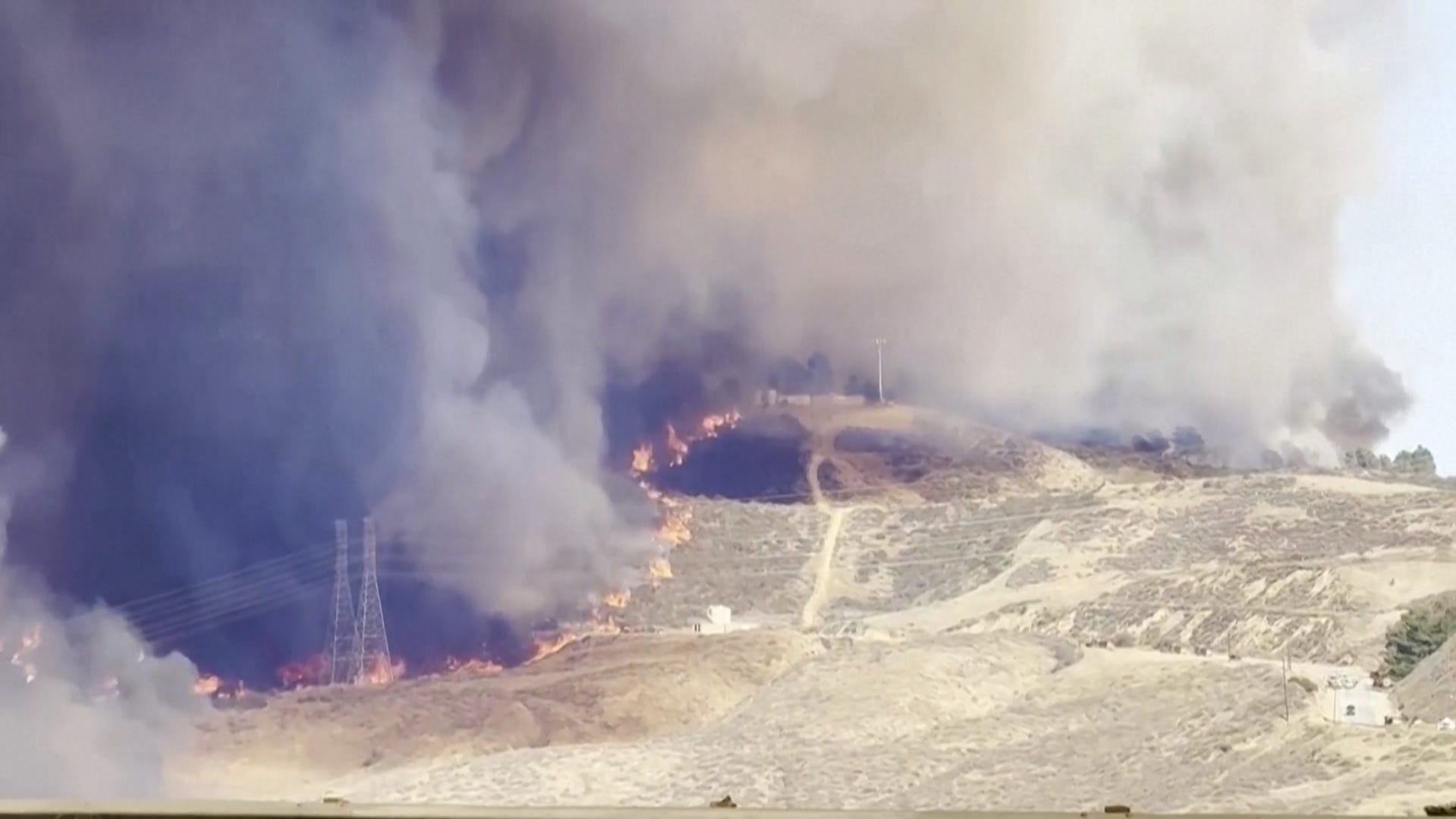

Southern Californians under warning as Hughes Fire spreads
Residents in southern California are threatened by another massive blaze, the Hughes Fire, after a brush fire quickly burned over 5,000 acres.
As natural disasters and extreme weather events become more common, the U.S. real estate market will lose more than a trillion dollars in value as Americans move away from riskier areas and toward those expected to be more resilient, a new report finds.
But the great climate migration of the coming decades won’t be linear. Americans will likely continue to flock to many of the areas that face the most peril, as local amenities and favorable economic conditions outweigh the mounting costs of climate risk.
The report, Property Prices in Peril, from climate analytics firm First Street, categorizes neighborhoods throughout the country in one of several buckets.
“Climate abandonment” areas are where climate risks and insurance premiums are high enough that population is declining; “risky growth” areas are where perils are high and premiums are rising, yet other social and economic factors keep people moving in; and “climate resilient” areas attract population because the risks and costs remain contained. “Tipping points” are areas that are risky enough to teeter on the brink of losing population. A fifth category refers to areas that face little climate risk yet continue to lose residents because of lack of economic opportunities.
What weather news means for you: Sign up for USA TODAY’s Climate Point newsletter.
Notably, risky growth areas – think of the major metros in Texas as one example – are projected to see 76% population growth over the coming 30 years, while climate abandonment areas will lose 38% of their population.
First Street reckons that, on average, risky growth areas will see a 1.7% decline in property values over the coming three decades. That’s a broad national average, however; one of the most impacted areas, Tampa, Florida, could see as much as a 25% decline in home prices. Climate abandonment areas will see the biggest losses, averaging 6.2%.
All in all, First Street thinks the value of real estate will decline by over $1 trillion by 2055. That’s partly because many people will leave big parts of the country that are now experiencing growth, and partly because property values will have to adjust downward to compensate for higher insurance costs
All real estate is local
The other key point from First Street’s ongoing analysis of climate risk – first profiled by USA TODAY in October – is that in most cases, risk is hyperlocal. One city or metro area may contain neighborhoods that fall into several of the broad categories, and Americans already have many years of experience sorting themselves away from riskier parts of town and into safer ones.
“In climate migration in general, we’re still not seeing these large macro level movements of people from, you know, Houston or Miami to Minnesota or Michigan or something like that,” said Jeremy Porter, First Street’s head of climate implications research, in an interview.
“Instead, what we see is within cities, people want to live around their family. They want to have the same job, they want the kids to go to the same schools. But they’re trying to find places that are relatively less risky in those metro areas.”
That means it might be more accurate to refer to cities and metro areas as having high or low levels of climate risk. A risky growth area within that community might have better schools, nicer homes, and so on – and it would become a “tipping point” before enough people are leaving that it becomes a “climate abandonment” area.
Where are America’s climate havens?
While Porter shies away from declaring any particular area a “climate haven,” First Street’s report does point to parts of the Midwest as being among the most likely to be resilient over the coming decades. Dane County, Wisconsin, and Franklin County, Ohio, top the list.
It may seem difficult to make projections on such complicated topics so far into the future, and it’s made even more challenging by the fact that climate change may be altering the dynamics of how Americans think about where to live even faster than before.
“We definitely track all five different categories in historic patterns,” Porter said. “I think we are seeing an increased rate of response to climate exposure, and I think a lot of it has to do with just the point that we’re at right now in time where we’re having more frequent, more severe climate exposure events.”
Having climate data readily available for people who are house hunting and making other decisions also helps, Porter thinks. “There’s just an increase in awareness.”